What real estate Facebook ads can and cannot do
Facebook and Instagram ads can put a listing, an open house or a valuation offer in front of a defined geographic audience and collect contact details at scale. They cannot qualify a buyer, hold a conversation, or replace follow-up.
What they do well: neighborhood-level awareness for a new listing, filling an open house, building a seller pipeline from valuation requests, and staying in front of a database you already own. What they do not do: deliver pre-qualified, ready-to-transact clients. Every lead arrives cold and dated by minutes, not days.
One more limit worth naming up front. Housing advertising is regulated, so the targeting controls other industries rely on are switched off. That single constraint shapes every decision below.
Choose a campaign objective
Pick the objective from the outcome you want, not from the ad format you like. Each row below pairs an objective with the offer that fits it, the destination that converts it, and the number that tells you it worked.
| Objective | Offer | Destination | Success means |
|---|---|---|---|
| Listing exposure | Just listed / price improved | Listing page or instant form | Reach and engaged clicks in the listing's radius, plus showing requests |
| Buyer inquiries | Home search or buyer guide | Instant form | Cost per qualified buyer conversation |
| Seller conversations | Home valuation | Instant form | Cost per valuation request that answers the phone |
| Open-house attendance | Date, time and address | Instant form (RSVP) or event page | RSVPs and people through the door |
| Database retargeting | Brand, market update, recent sale | Listing page or instant form | Repeat reach against your own list and inbound replies |
Database retargeting and geo farming have their own playbook: digital farming and retargeting for agents.
Choose the offer
The offer decides your cost per lead more than the targeting does. Pick one offer per campaign and let it run long enough to read.
Strongest for neighborhood awareness and seller-side credibility. Short shelf life — run it while the listing is new.
Run 3 to 7 days ahead with the date, time and address in the creative. Ends when the event ends.
The reliable seller-lead offer. Expect a higher cost per lead than buyer offers and a longer conversation cycle.
Low-friction buyer capture — a neighborhood guide, a price-band list, or a first-time-buyer explainer.
Builds a waiting list before the listing goes live and gives sellers proof of pre-market marketing.
Creative that works
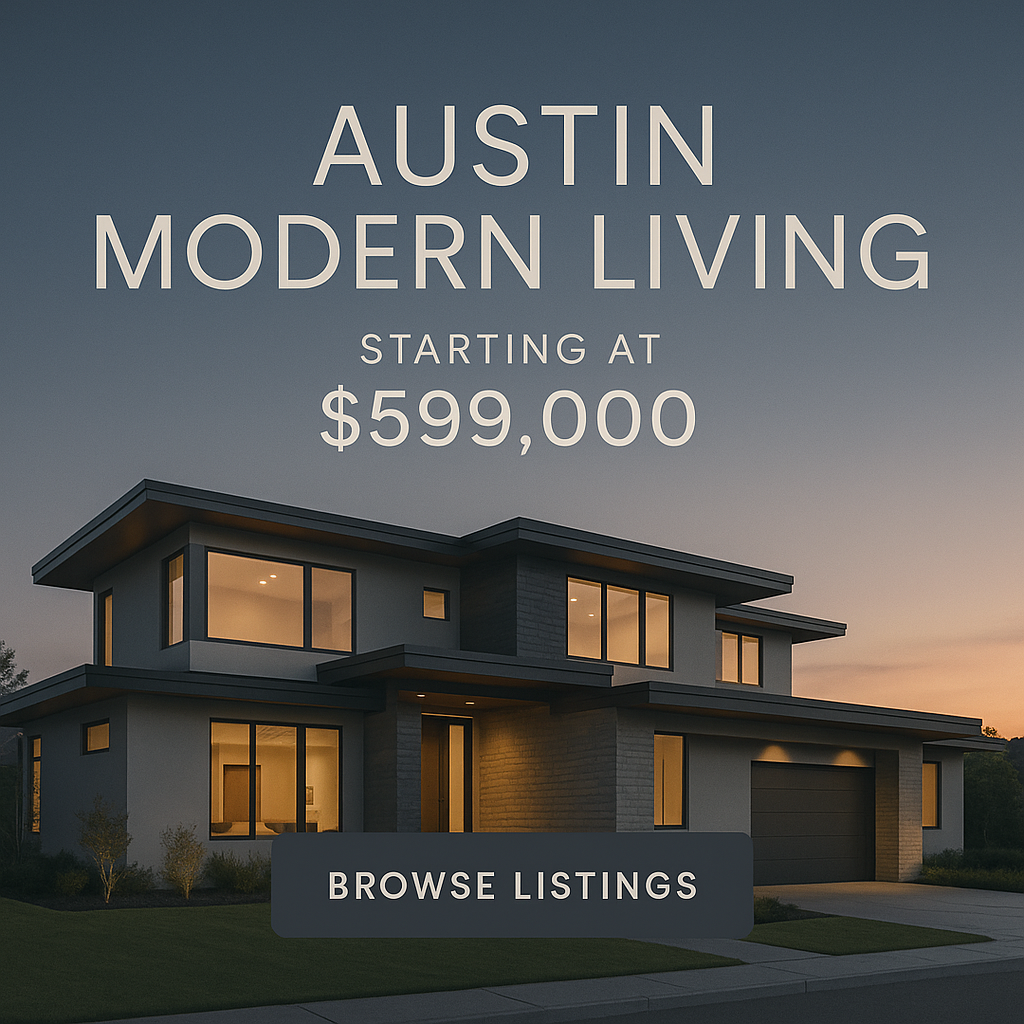
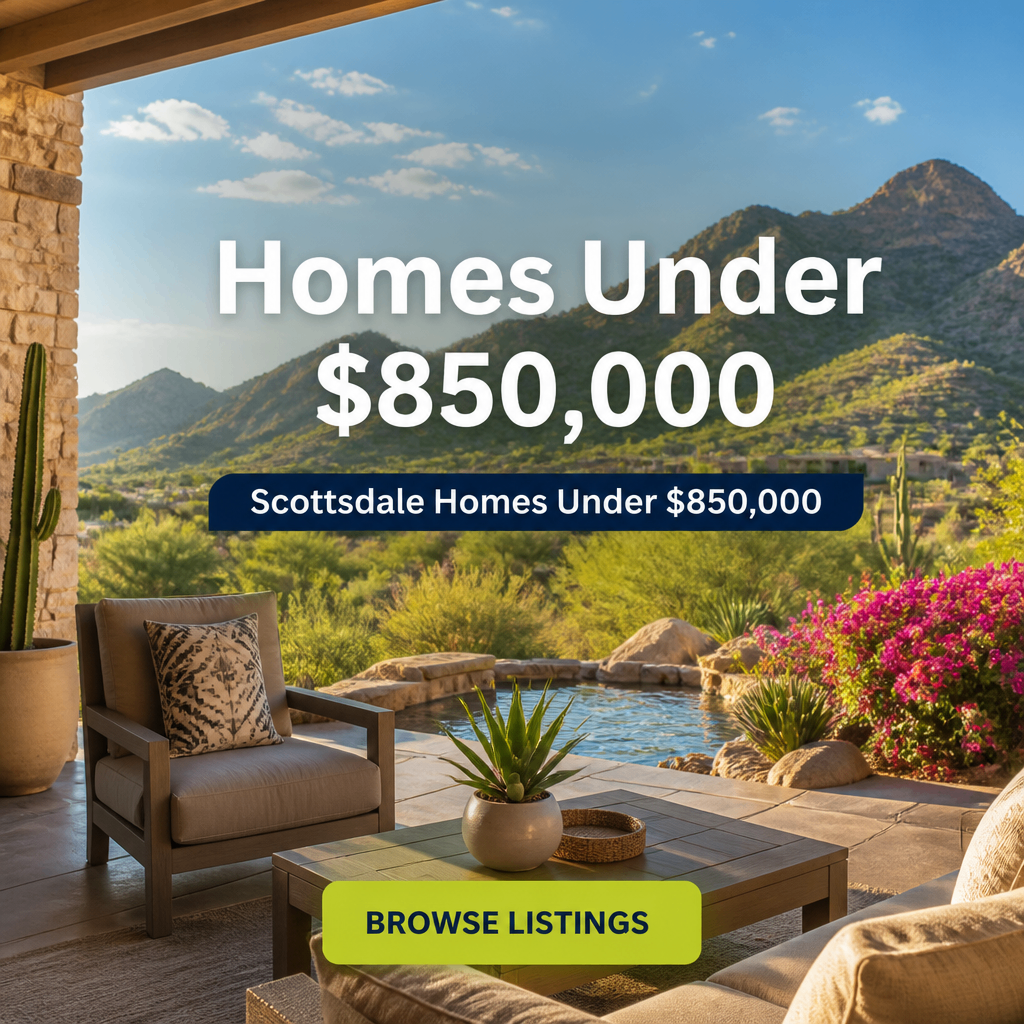
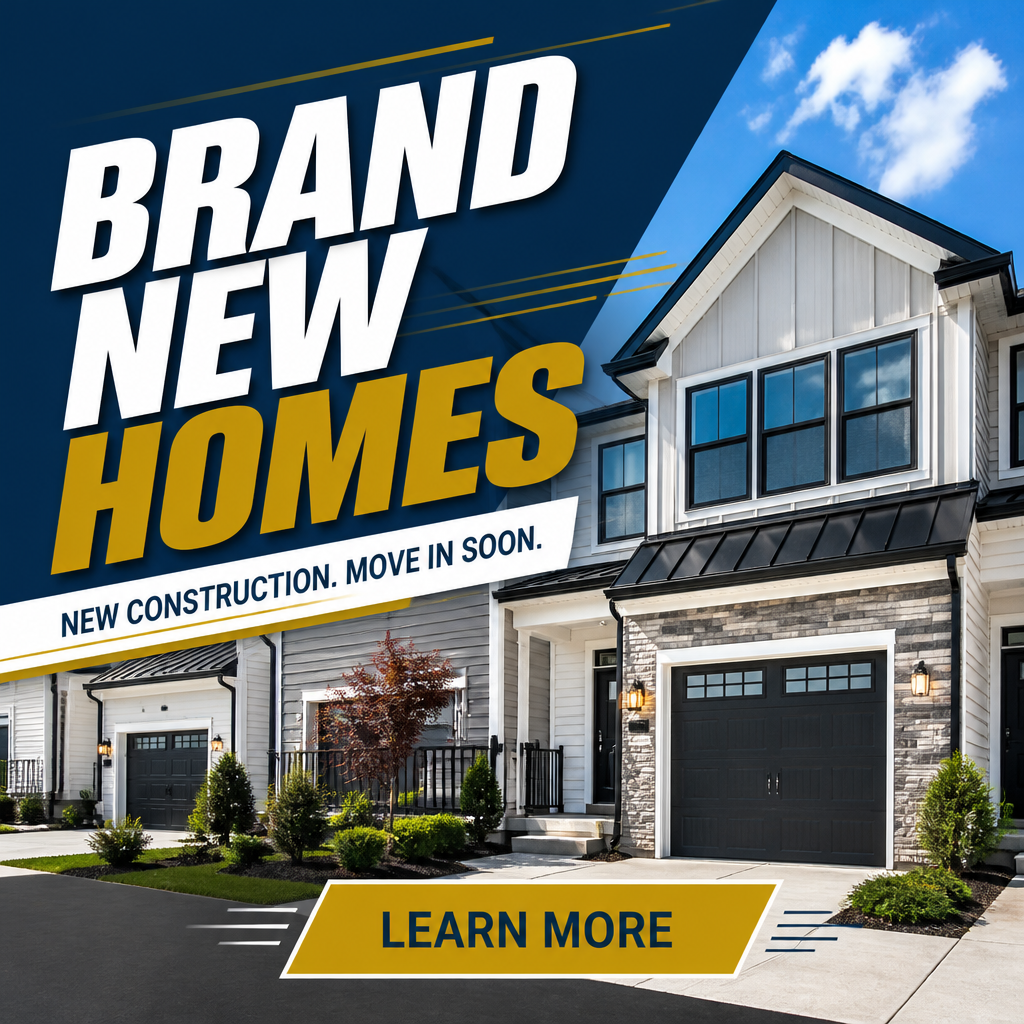
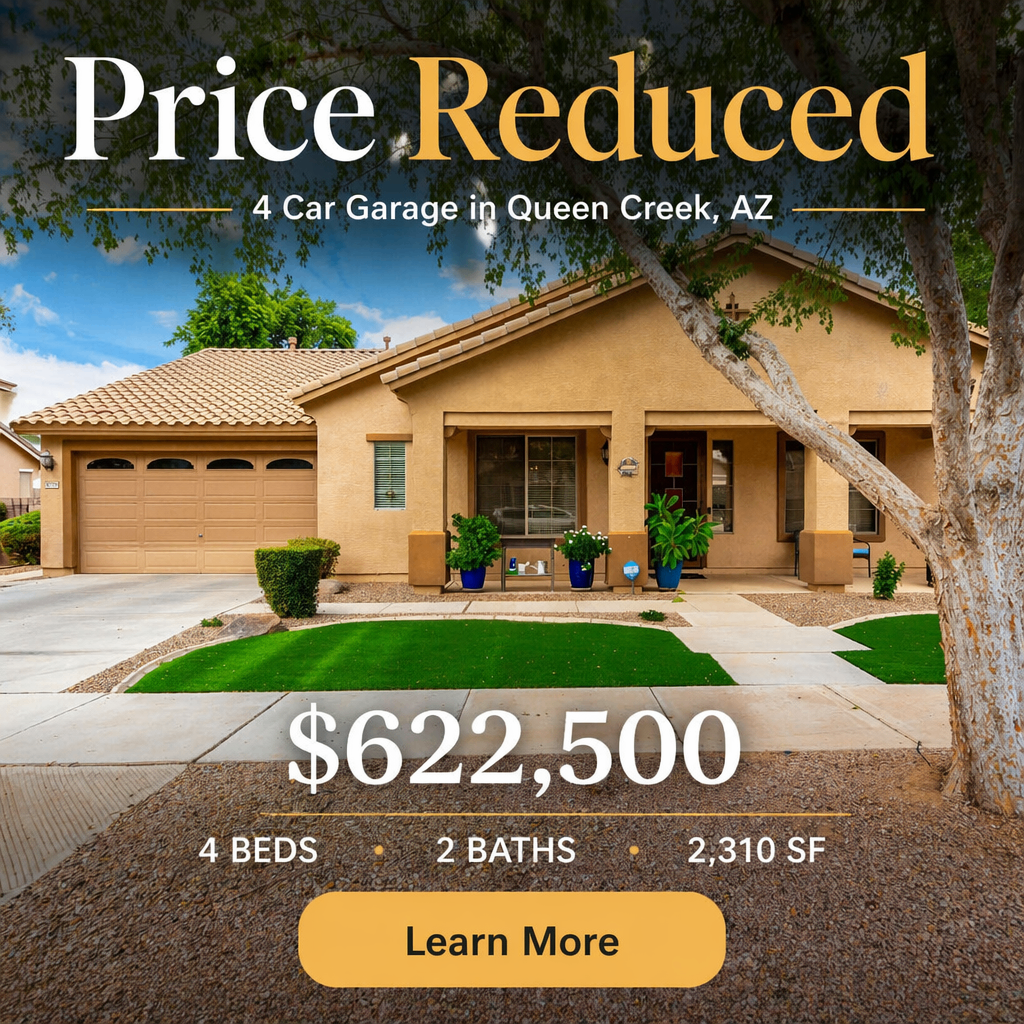
Creative is the lever you control most directly. A clear property photo, a specific location in the first line, and one call to action beats a collage with four messages every time.
See all 22 ad examples · Ad templates · Generate creative in Creative Studio
Housing category rules
Every real estate campaign must be declared under Meta's Housing Special Ad Category, which removes most targeting controls. Plan your audience around what remains rather than around what you used to use.
Lookalike Audiences are unavailable in the Housing category. Meta's earlier substitute, Special Ad Audiences, was discontinued in 2022. Use Custom Audiences from your own first-party data, location targeting with the 15-mile minimum radius, and broad delivery.
Also gone: age, gender, ZIP-code and exclusion targeting, along with most detailed interest categories. Meta's Variance Reduction System applies to U.S. housing ads, so delivery is adjusted at Meta's end regardless of your settings. Fair-housing rules still govern your copy and images. This is general information, not legal advice.
Full reference: Meta Special Ad Category for real estate
Budget
Budget for a test window, not a day. Decide the total you are willing to spend over two to four weeks, then divide it into a steady daily amount and leave it alone while the campaign gathers data.
Go deeper: Real estate Facebook ads budget · What Facebook ads cost for real estate
Lead capture: instant forms or landing pages
Instant forms collect contact details inside Facebook or Instagram, with known fields pre-filled and no page to load, which suits cold audiences and simple offers. Landing pages ask more of the visitor but let you qualify with custom fields and control the branded experience, which suits warm and retargeting traffic. Most agents use instant forms for cold prospecting and landing pages for people who already know them.
Full comparison: Lead ads vs landing pages
Follow-up
Follow-up speed decides what your campaign is worth. Research on inbound web leads by Prof. James Oldroyd (MIT / InsideSales lead response study) found that the odds of qualifying a lead drop sharply once the first contact attempt slips past the first few minutes.
Practically, that means deciding who calls before you launch, not after the first lead arrives. Route notifications to a phone, call the same day, and follow the call with a text and an email rather than waiting for a callback.
Measurement
Three numbers, in order of honesty. Compare like with like: media CPL flatters a channel, fully loaded CPL is what you actually paid, and cost per appointment is what your business feels.
Ad spend divided by leads. Useful for comparing creative, useless for comparing channels.
Ad spend plus software and campaign fees, divided by leads. This is the number to compare against other lead sources.
Everything you spent divided by booked appointments. The only figure that maps to commissions.
Cost detail: Facebook ads cost for real estate
Software, Ads Manager, or an agency
Choose on how often you launch and how much of the work you want to keep. Ads Manager costs nothing and gives you every control; software trades a subscription for speed, templates and lead routing; an agency trades the highest cost for handing the work off entirely.
Compare: Walled Garden vs Ads Manager · Software vs a marketing agency · Best Facebook ads tools for real estate
Modeled estimates by metro
Cost-per-lead, CPM and click-through figures for the top 25 U.S. metros. These are modeled estimates for planning, not measured campaign results, and your own numbers will differ by offer and creative.
Highest CPM market in the U.S. — inventory is competitive year-round, with strong seller-lead intent in spring and fall.
Premium CPMs driven by luxury inventory and high competition. Custom Audiences built from past-closing CRM data with 15-mile-minimum broad delivery consistently outperform interest targeting.
Strong seller-lead market in Q2. Suburb-targeted Lead Generation campaigns frequently undercut state averages.
Growth-market dynamics keep buyer CPLs low relative to state average. Relocation traffic is a meaningful retargeting pool.
Highly fragmented metro — neighborhood-level targeting via Custom Audiences outperforms broad city radius targeting.
Top-performing metro for seller-lead Single Image ads. Custom Audiences built from past-listing CRM data consistently beat broad saved audiences.
High household income drives strong seller-side conversion. Special Ad Category compliance is non-negotiable in this market.
Stable CPMs and strong organic share-rates. Carousel formats showing 3-5 listings outperform single image in this metro.
Luxury and international buyer pools push CPMs above national average. Video creative meaningfully reduces CPL vs static.
Snowbird and relocation traffic create a year-round buyer audience. Q4 produces the strongest seller leads.
Premium CPMs but elite Lead-to-Close rate. Listing-based seller campaigns dominate buyer campaigns here.
Lower CPMs than coastal CA while sharing the same buyer pool — strong arbitrage opportunity for relocation targeting.
Highest median price market in the country. CPLs are higher but commission-per-close justifies premium spend.
Lowest CPL among top-10 metros. Investor-property campaigns produce outsized lead volume.
Tech-driven buyer pool responds strongly to video walkthroughs. Custom Audiences built from first-party CRM data dramatically reduce CPL.
Stable, low-volatility CPL market. Seasonal spread is wide — May/June are 30% cheaper than Jan/Feb.
Inbound relocation drives buyer demand. Custom Audiences from out-of-state IPs outperform local saved audiences.
Coastal premium pricing with strong military-relocation audience. PCS-season campaigns reliably outperform.
Strong organic share rates on lifestyle creative. Mountain-property carousels reduce CPL ~20% vs urban-only ads.
Strong VA-loan buyer pool. Co-branded loan officer campaigns (via partner-paid ads) produce the lowest CPL.
One of the lowest CPL major metros in the country. Lead Generation objective is mandatory — Traffic underperforms here.
Vacation-home and second-home buyer pool is meaningful. Out-of-state Custom Audiences from first-party data outperform local broad saved audiences.
Heavy in-migration market. Relocation-themed creative (cost-of-living comparisons) dramatically beats generic listing ads.
Strong military buyer audience. PCS-cycle campaigns (April-July) produce CPLs ~25% below state average.
Slower velocity market in 2026, but lower competition means CPMs are flat. Seller-listing carousels outperform buyer ads here.
Bay Area out-migration keeps buyer demand steady while CPMs stay well below coastal California. Relocation creative outperforms generic listing ads.
High relocation volume and a large new-construction pipeline. Home-value and price-band creative both pull well across the valley.
Inventory recovered faster than most Sun Belt metros, so seller-side offers and market-report creative draw stronger response than buyer ads.
Steady in-migration with heavy suburban new construction. Builder-incentive creative is a reliable buyer-side angle.
One of the lowest-cost major metros for paid social. Affordable price bands mean lead volume is high and follow-up speed decides results.
Frequently asked questions
Next step: set it up step by step
You have the decisions. The step-by-step setup guide walks through connecting your Page, declaring the Housing category, building the ad and launching, with both the Ads Manager path and the Walled Garden path at every step.
Run it in your market
See how agents launch listing, open house, buyer and seller campaigns in Walled Garden.
10-day free trial, no credit card required. No contracts, cancel anytime.