Real Estate Lead Generation: The Complete 2026 Guide
Real estate lead generation is the process of attracting and capturing contact information from likely buyers and sellers, through paid ads, organic content, referrals, and purchased leads. In 2026, paid social on Facebook and Instagram is the highest-volume channel for most agents, while referrals remain the highest converting.
Facebook ads vs Zillow in 2026: which should an agent fund first?
Fund Facebook and Instagram first. In 2026 a Meta lead costs roughly $8 to $25 and belongs only to you, while a Zillow Premier Agent lead costs about $20 to $60 and is shared with three to five agents. Portal leads carry higher immediate intent, so agents with budget left over add them on top rather than starting there.
- Meta campaigns leave behind a retargetable audience and market presence you keep.
- Portal spend produces nothing the month you stop paying.
- The same monthly budget usually buys several times the lead volume on Meta.
- Portals still win when you need someone who is actively viewing a specific listing today.
How does lead generation change for mortgage and title partners?
Mortgage campaigns must be declared under Meta's Special Ad Category for Credit, which removes age, gender, and ZIP level targeting and enforces a 15 mile minimum radius. Title and escrow ads aimed at consumers generally fall under Housing. Agent facing partner campaigns usually sit outside both, so they belong in separate campaigns.
How Real Estate Lead Generation Works
Every real estate lead moves through the same funnel: awareness, interest, inquiry, conversation, appointment, signed client. Lead generation is the top of that funnel. It puts your name, listings, and offers in front of people who could transact in the next few weeks or the next few years.
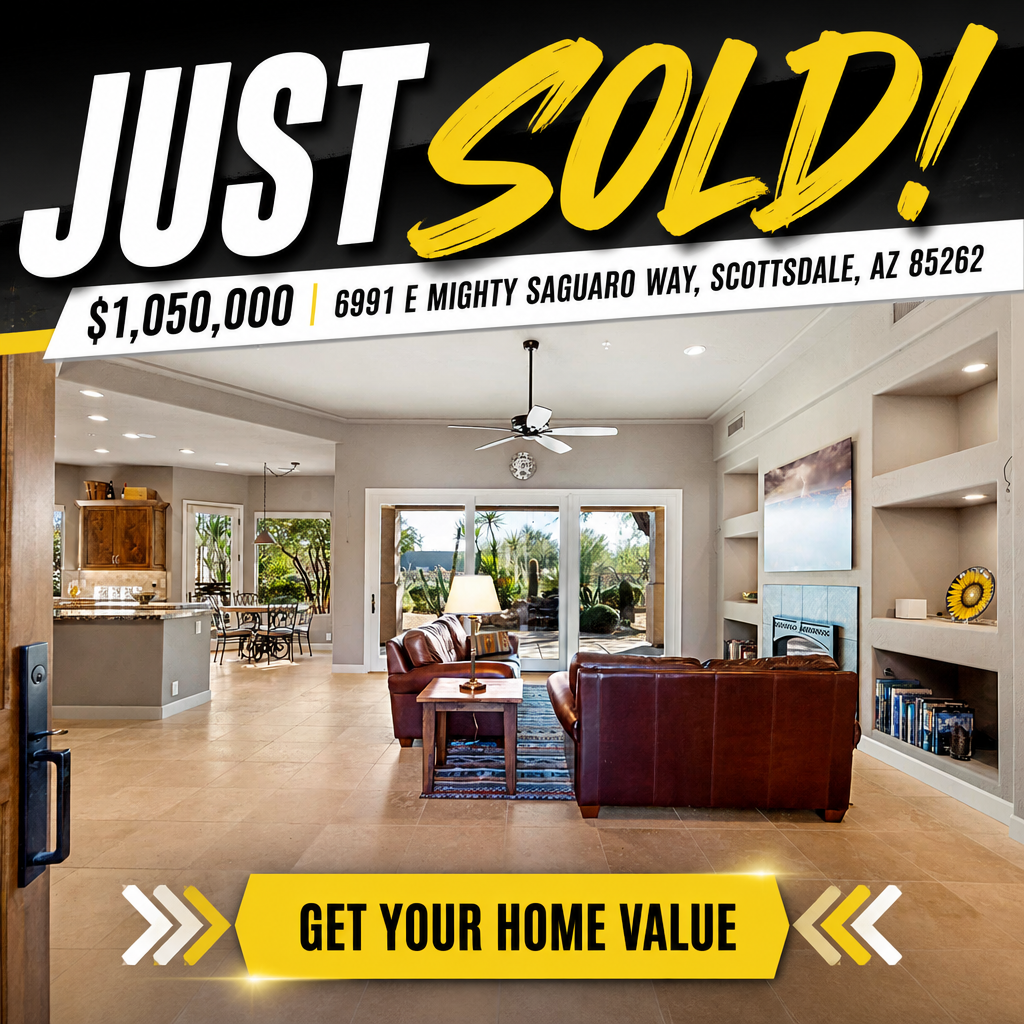
Buyers usually enter the funnel by clicking on a listing, a home search tool, or a neighborhood ad. Sellers usually enter through a home valuation offer, a market update, or a just-sold post that reminds them of prices near their own home. From there, follow-up decides whether the lead becomes a signed client.
Paid vs Organic Lead Generation
Organic lead generation, meaning social content, SEO, YouTube, and referrals, compounds slowly. It is durable and cheap once it works, but it rarely fills a pipeline in the first year.
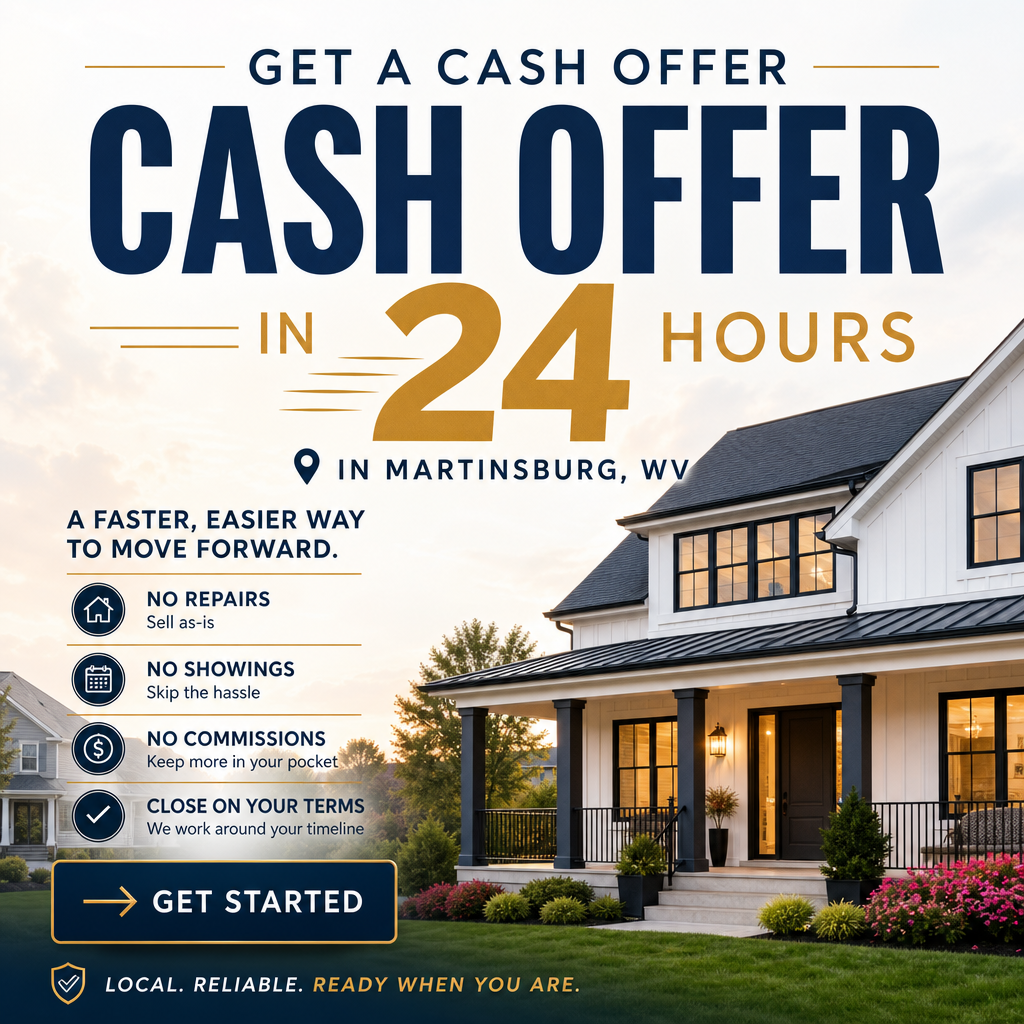
Paid lead generation fills the pipeline now. A campaign launched today can produce leads within 24 to 48 hours. The tradeoff is that spend stops, leads stop, unless you have retargeting and nurture running alongside. Most agents who build a steady business use paid for volume today and organic for compounding tomorrow.
Facebook and Instagram: The Highest-Volume Paid Channel
For most agents, Facebook and Instagram produce more leads per dollar than any other paid channel because you are reaching people before they start searching. See our full guide to real estate Facebook ads for setup, targeting, and creative, or browse real ad examples from producing agents.
Inside Facebook, the highest-volume format is the native lead form. Read our deeper breakdown of Facebook lead generation for real estate for how those forms work, what to ask, and how to keep quality high.
Buying Leads vs Generating Your Own
Buying leads from a portal is the fastest way to get names in your CRM. The catch is that the leads are shared with several other agents, and you never own the marketing asset that produced them. When you stop paying, everything stops.
Generating your own leads through ads builds an audience under your brand. Every campaign grows your pixel data, your video viewers, your page followers, and your retargeting pool. Over time the same budget produces more leads because your audience compounds. That is the reason most established agents shift dollars from bought leads to owned campaigns.
What Leads Cost
Cost per lead varies by metro, by season, and by offer. A starting budget of $10 to $20 per day, or roughly $300 to $600 per month, is enough for most single-market agents to gather real data.
For a full cost breakdown, see our post on real estate Facebook ads cost and the metro-by-metro benchmark grid in Facebook lead costs by state.
Speed to Lead: Why Follow-Up Decides Everything
The single biggest factor in lead conversion is not the ad, the source, or the price. It is how fast you make contact. Reaching a new lead within minutes beats reaching them within hours by a wide margin, and reaching them within hours beats reaching them the next day.
Build a system so every new lead gets an automated text and email inside 60 seconds, followed by a personal call as soon as possible. Then keep a nurture sequence running for the 90 percent of leads who are not ready today.
Seller Leads vs Buyer Leads
Seller leads are usually generated with home valuation offers, market updates, and just-sold campaigns in a specific neighborhood. The angle is "what is my home worth today," and the follow-up is a real market analysis.
Buyer leads are usually generated with listing ads, new construction spotlights, and open house invitations. The angle is a specific property or a specific area, and the follow-up is a showing or a search set up in the MLS. Most agents run at least one seller campaign and one buyer campaign at all times. Buyer campaigns also hide seller leads: across the Walled Garden platform in 2026, roughly 42 percent of leads say they currently own a home when asked on the lead form.
Frequently Asked Questions
Build a Pipeline You Own
See how agents run compliant Facebook and Instagram lead campaigns on Walled Garden, and pick the plan that fits your market.